Artificial intelligence (AI) is no longer a far‑off promise – it’s already reshaping every aspect of work, from administrative tasks to customer engagement, content creation, and predictive maintenance. Between 2025 and 2030, this transformation will accelerate: edge computing goes mainstream, no‑code/low‑code platforms democratize AI, intelligent automation scales up, and hyper‑personalization becomes standard. Large enterprises aren’t the only ones to benefit: small businesses can leverage these advances to boost agility, cut costs, and improve customer experience. This comprehensive guide unveils seven key AI trends on the horizon and, for each, includes an illustrative graphic to clarify concepts and jump‑start implementation—even with limited resources.
1. Edge Computing & On‑Device AI
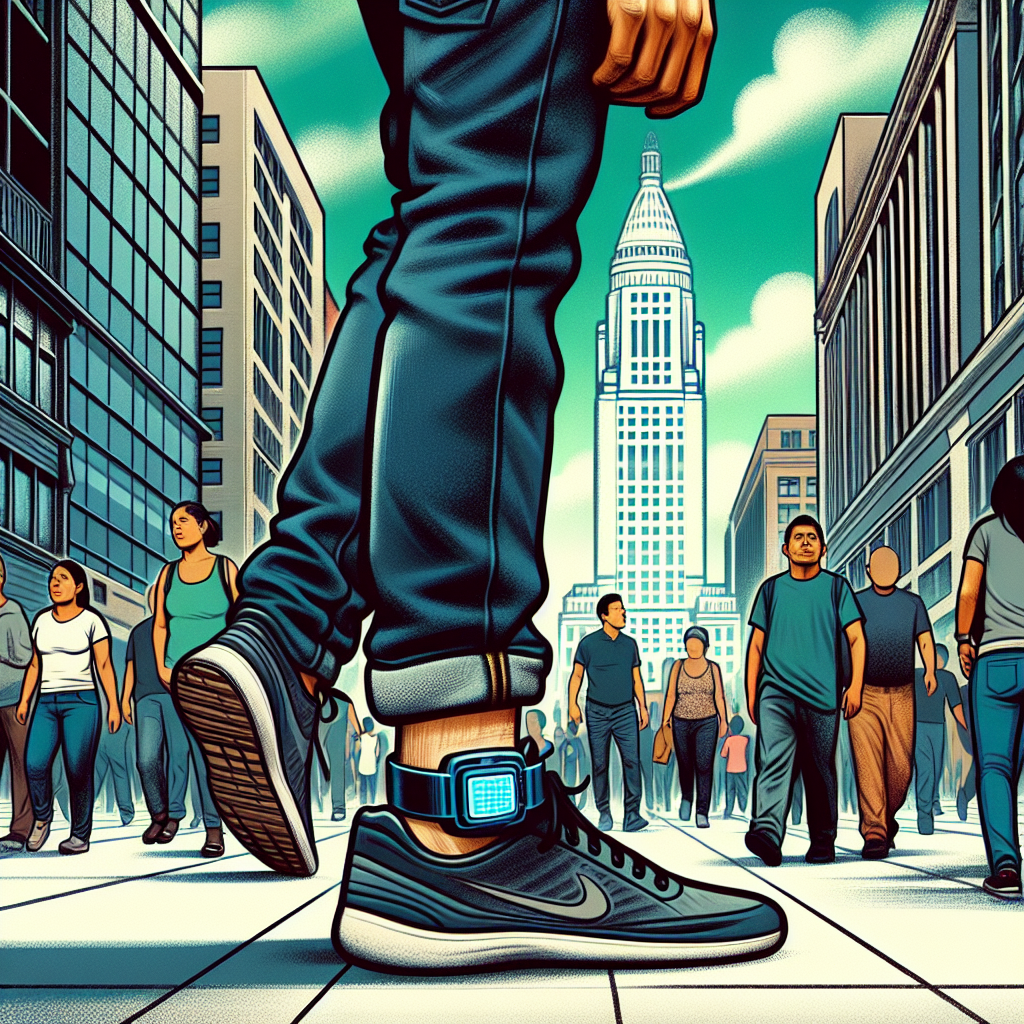
Why It Matters: Historically AI lived in the cloud, constrained by latency, bandwidth, and privacy. Edge computing places models directly on devices (cameras, IoT sensors, robots) to process data at the source.
-
Small Biz Use Cases:
-
Predictive maintenance: On‑device analytics alerts teams instantly when equipment deviates from normal.
-
Site security: Real‑time intrusion detection without streaming footage off‑site.
-
2. Intelligent Automation (RPA + NLP)
Robotic Process Automation (RPA) combined with Natural Language Processing (NLP) goes beyond simple data entry to read, understand, and act on documents and emails.
-
Example End‑to‑End Process:
-
Email parsing (NLP)
-
Data extraction (RPA)
-
CRM/ERP entry
-
Personalized acknowledgment
-
Benefits:
-
Eliminates human errors
-
Frees up hours of administrative work weekly
-
Cuts customer response times by 50 %
3. Co‑Creation & Generative Design
Generative AI for images, text, and code becomes a co‑pilot: it proposes multiple drafts that a human refines.
-
Illustration: A freelance designer generates 5 logo concepts in 2 minutes, picks the best, and tweaks colors and fonts.
-
SMB Advantage: Rapid brand identity testing without expensive agencies.
4. Hyper‑Personalized Customer Experience (130 words)
Real‑time AI profiles and dynamic segmentation power personalized offers, chatbots, and recommendations.
-
Use Cases:
-
Dynamic promotions: Tailored offers based on purchase history and context (time, location).
-
Smart chatbot: Handles 80 % of routine queries, escalates complex issues to humans.
-
Impact: + 25 % conversion, + 30 % customer satisfaction.
5. AI Adoption Roadmap
A structured approach ensures success:
-
Process audit: Identify 1–2 high‑ROI tasks (hours saved per day).
-
Fast POC: Deploy prototype via no‑code/low‑code AI tool.
-
Continuous training: Micro‑learning, internal workshops, GitHub Copilot, ChatGPT tutorials.
Tip: Start small, measure impact, scale up gradually.
6. Ethics & Compliance (120 words)
Regulations like GDPR, CCPA, and the upcoming AI Act demand vigilance:
-
Transparency: Document data sources and algorithm logic.
-
Consent: Clearly inform users and allow opt‑out.
-
Security: Encrypt sensitive data, isolate training environments.
7. Ecosystems & Partnerships
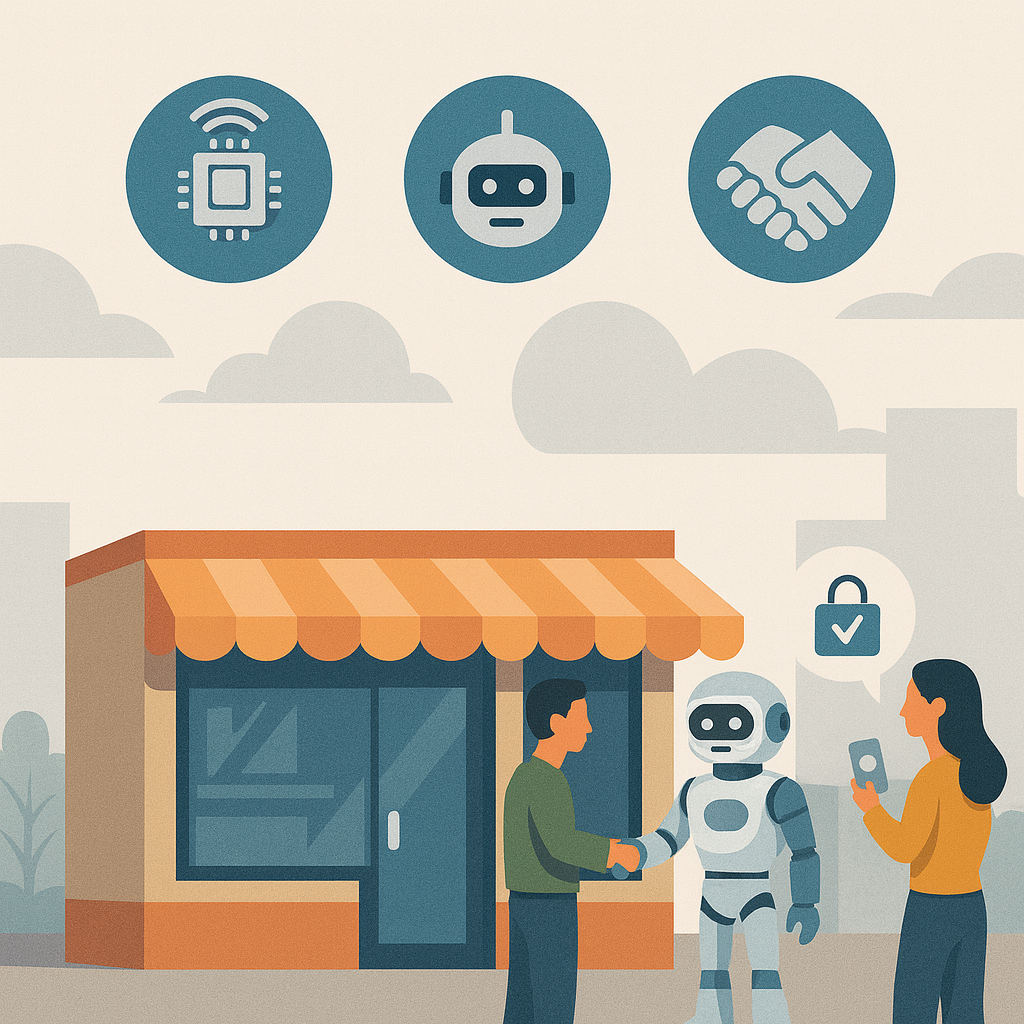
Leverage existing networks:
-
SaaS platforms (AI‑powered CRM, smart accounting)
-
Regional clusters and entrepreneur networks
-
Incubators/universities for R&D support
Conclusion
From 2025 to 2030, AI will be a strategic asset—even for the smallest businesses. Edge computing, intelligent automation, co‑creation, and personalized experiences unlock new efficiencies. Your next move: conduct a mini internal audit, launch a no‑code POC, track ROI, and build your AI roadmap.