Psychological trauma—whether caused by an accident, abuse, loss, or any overwhelming event—can leave lasting scars on body and mind. This 900+ word expert‑level article dives deep into trauma mechanisms, symptoms, and actionable healing strategies. Illustrations and practical examples will clarify each approach.
1. What Is Trauma?
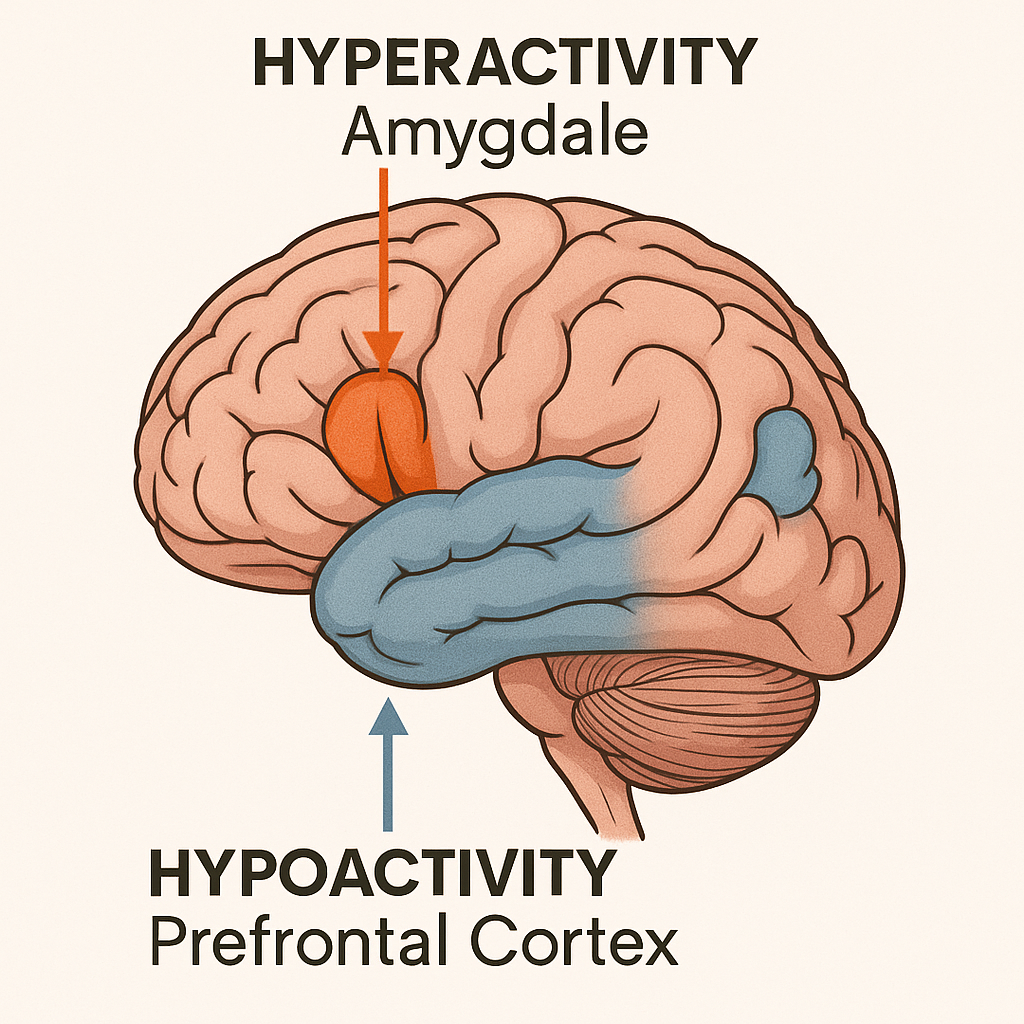
Trauma is the emotional response to an event perceived as extreme or threatening. Neurologically, it triggers a primitive survival circuit:
-
Hyperactivation of the limbic system (amygdala), producing fear and panic.
-
Deactivation of the prefrontal cortex, impairing reasoning and emotion regulation.
2. Types of Trauma
-
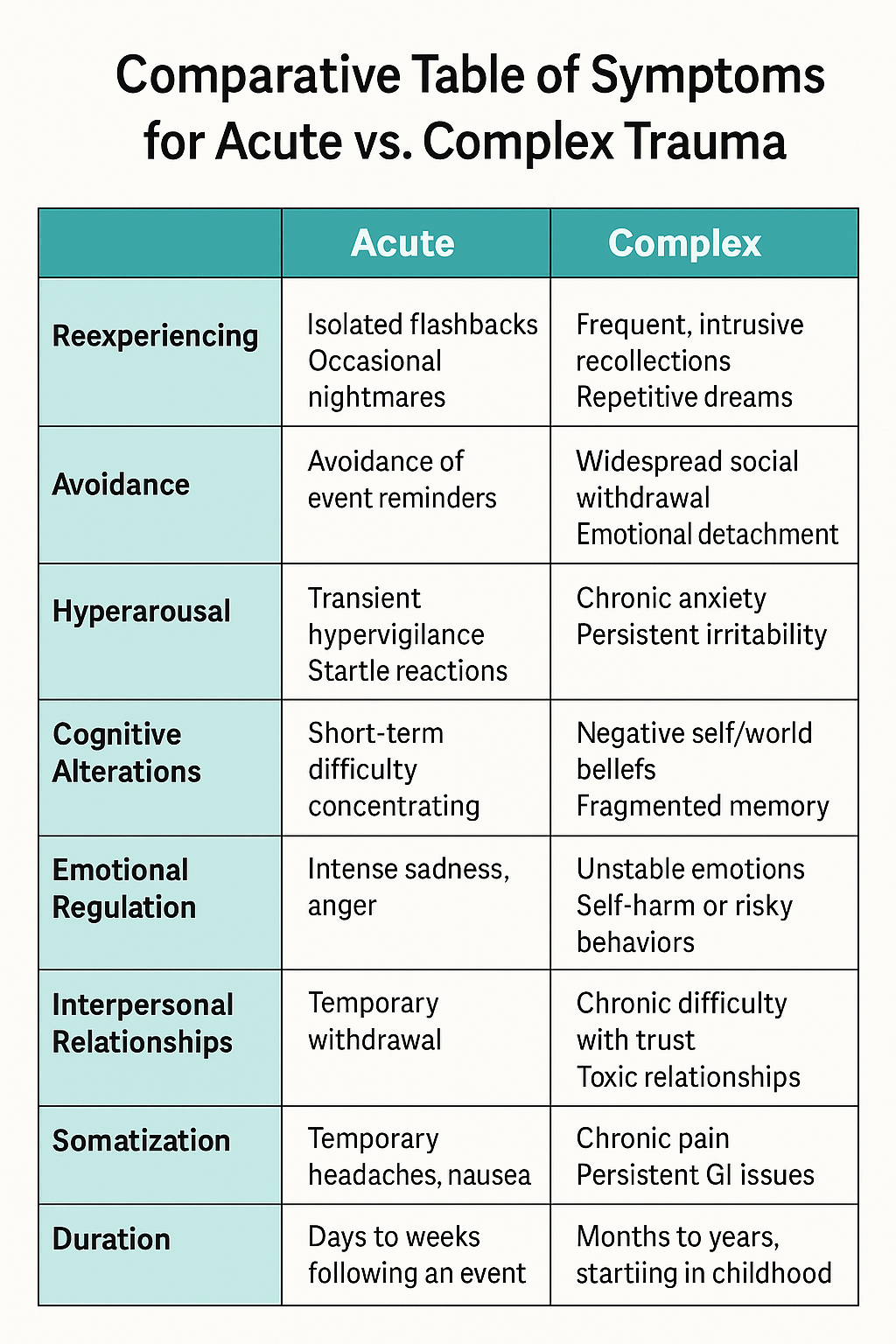
Acute Trauma: response to a single incident (accident, assault).
-
Complex Trauma: prolonged/repeated exposure (domestic violence, war).
-
Vicarious Trauma: secondary trauma experienced by professionals exposed to clients’ stories (first responders, therapists).
3. Common Symptoms
-
Intrusions: flashbacks, nightmares.
-
Avoidance: steering clear of reminders.
-
Hyperarousal: irritability, insomnia, hypervigilance.
-
Cognitive changes: guilt, dissociation.
4. Neurobiological Mechanisms
During trauma, the brain floods with cortisol and adrenaline, which over time:
-
Damage neural plasticity.
-
Dysregulate the HPA (hypothalamic‑pituitary‑adrenal) axis.
-
Fragment memory encoding (unintegrated, disconnected memories).
5. Treatment Approaches
5.1 Exposure‑Based Therapies
-
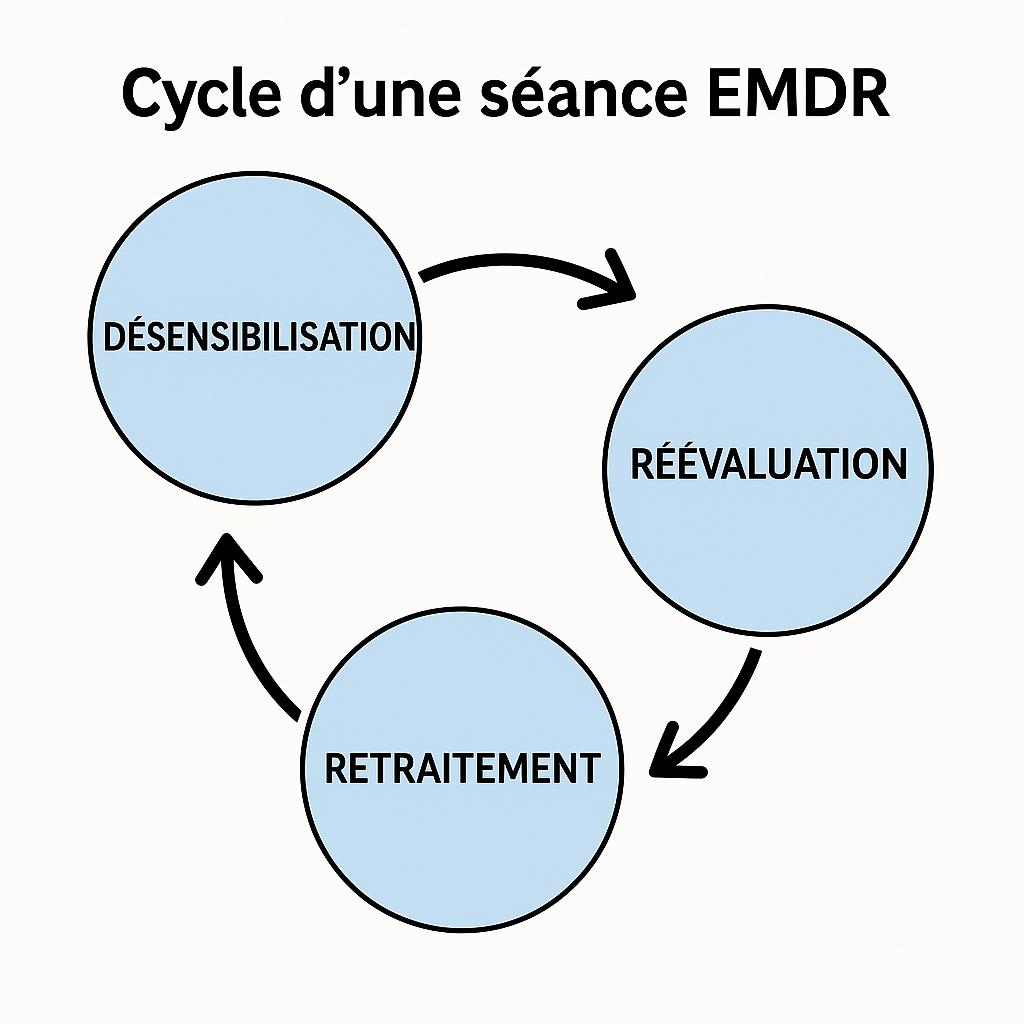
EMDR (Eye Movement Desensitization and Reprocessing)
-
Trauma‑Focused CBT
5.2 Somatic Approaches
-
Therapeutic Yoga: reconnects body and mind, calms the limbic system.
-
Somatic Experiencing: Peter Levine’s method for gradual release of bodily tension.
5.3 Medication Support (when indicated)
-
SSRIs to stabilize mood.
-
Short‑term anxiolytics for hyperarousal.
6. Self‑Help Strategies
-
Therapeutic Journaling – writing organizes thought patterns.
-
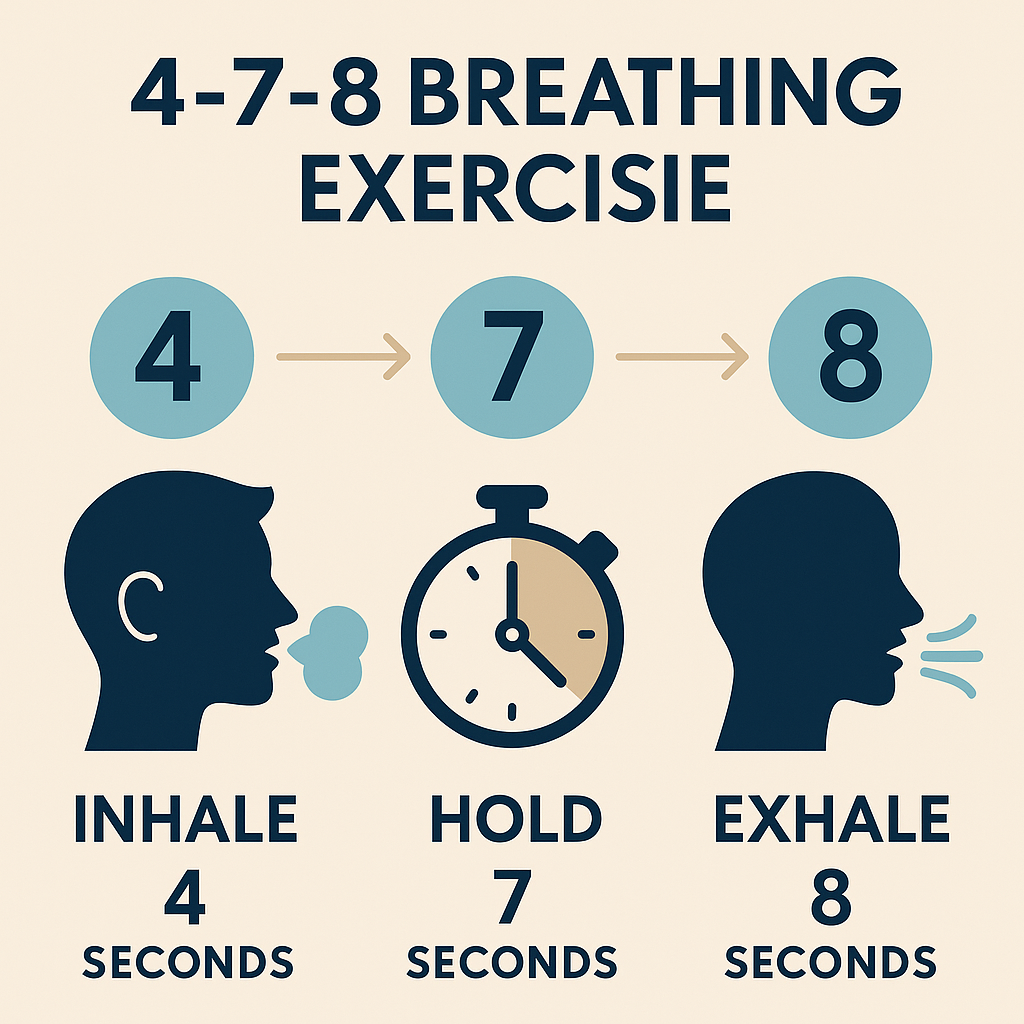
Mindful Breathing – 4‑7‑8 technique to soothe the nervous system.
-
Support Networks – share in peer groups or associations.
-
Positive Anchors – photos, objects, or music that evoke calm.
7. Building a Resilient Routine
| Morning | Midday | Evening |
|---|---|---|
| 5‑min meditation | 3‑min stretch break | Inspirational reading |
| Task planning | 10‑min walk | Therapeutic journaling |
8. Overcoming Avoidance & Integrating Memories
-
Graduated Exposure: mentally revisit the event in a safe therapeutic context.
-
Visualization Techniques: rehearse a peaceful resolution.
9. Signs of Progress
-
Fewer flashbacks and nightmares.
-
Better sleep quality and mood.
-
Re-engagement with previously avoided activities.
-
Stronger sense of emotional control.
Conclusion
Healing from trauma is a gradual journey combining neuroscience, psychology, and self‑care. EMDR, trauma‑focused CBT, and somatic practices empower individuals to reclaim serenity. By blending professional therapies with self‑help strategies and support networks, you can break free from the past’s grip and move toward lasting resilience.
Suggested Illustrations:
-
Brain areas of activation
-
Symptom comparison table
-
EMDR process cycle
-
4‑7‑8 breathing diagram